A fishing boat tells the story of the day. The deck smells like squid or sardines, the gunnels show the arc of a net haul, and the transom wears a fine spray of salt. If you leave that story on the boat for a week, it hardens into a permanent record. Blood etches into nonskid, UV bakes salt into the gelcoat, and gear grime migrates into hinges and switch panels. Marine detailing is less about making a boat pretty and more about protecting it from what the ocean leaves behind. The work happens in small, consistent rituals, and the payoff is measured in fewer stains, fewer corrosion issues, and a boat that holds value through seasons of use.
I have spent enough late afternoons rinsing decks and scrubbing bait lockers to know what shortcuts backfire. I have also seen what a disciplined cleanup can do for a boat that runs hard. The following approach is built around that kind of real use: launching before first light, dragging iron through kelp lines, boxing fish, and putting the boat to bed without losing your evening.
The stakes after each trip
Salt is not just a cosmetic problem. In the hours after a run, it wicks into seams, galvanic pairs, and any spot where two metals meet. If left, it accelerates corrosion. Fish blood and digestive enzymes are a different animal. They digest into porous surfaces like raw fiberglass, vinyl, and even the microtexture of nonskid. On hot days, you have about 20 to 40 minutes before proteins set and you’re scrubbing stains instead of washing them away. Sunscreens and bug sprays also land on gelcoat, then act like glue for dust and salt, which is why boats can look clean from five feet away and chalky up close.
This is where a structured marine detailing routine matters. It is not about spending hours every time. It is about making the first 15 to 30 minutes count, then choosing weekly and monthly tasks that build a barrier against the next trip’s abuse.
What “rinse right away” really means
Everyone talks about rinsing after a trip. The nuance is in how. A low-pressure, high-volume rinse is your friend. You want to float contaminants off without driving them into the surface. I use a nozzle that approximates a garden shower rather than a needle stream. Start at the hard top or tower and work down so you are not chasing runoff uphill. If you have outriggers, flush those bases. If you run a center console, soak the underside of the T-top where salt crystals hang like frost.
A freshwater rinse combined with gravity will do more than soap at this stage. On warm days, I will let the boat stay wet while I pull coolers and rods. The water keeps proteins from setting on deck and in scuppers. If your boat has raw water washdown, finish with fresh water when you tie up. Raw water just redistributes salt.
Decks and nonskid: clean without eroding
Nonskid holds fish, feet, and filth equally well. The mistake is thinking you need a stiff deck brush and aggressive chemicals every time. Stiff bristles can sand the peaks of the pattern. Too much chemical can strip wax from the surrounding gelcoat.
I keep two brushes aboard: a soft/medium flagged brush for general deck work and a small, firm handheld for stubborn edges around hatches. For soap, a pH-balanced marine shampoo is fine for routine work. On heavy days when tuna blood hits everything, an oxygenated cleaner diluted per label works quickly before proteins set. If you wait until the dock box is closed and the hose is off, you will need heavier chemistry, and that is where damage starts.
For those who prefer a quick list, here is a streamlined sequence that works after a fishy day:
- Flood rinse from top to bottom, keeping surfaces wet. Light soap down the deck and gunnels, agitate with a soft/medium brush in short sections. Lift stains early with a diluted oxygenated cleaner, then immediately rinse that area clean. Squeegee or towel high-traffic zones to prevent water spotting as you work. Final rinse, then blow water out of seams with a cordless blower or a dedicated air line.
That final step matters. Water sitting at the base of rod holders or under leaning post legs pulls salt back to the surface as it dries. A quick pass with a blower protects stainless hardware and makes the rest of the cleanup faster.
Gelcoat, metals, and the quiet killer: chalk
Exterior detailing on boats is a fight against UV and the slow oxidation that turns gelcoat chalky. Fishing loads add a layer of abrasion from coolers, tackle boxes, and nets. After rinsing, I will walk the hull sides with a dedicated gel-safe drying towel and a detailing spray designed for marine surfaces. This is not a vanity step. It removes the last of the minerals before they etch.
For brightwork and aluminum towers, use a mild metal polish sparingly. If you polish to a mirror every trip, you will thin protective layers and create more work. My cadence is a thorough metal polish every two to three months, with quick wipe-downs using a corrosion inhibitor after most trips. Check bases and welds for white powdery oxidation on aluminum and tea stains on stainless. Those early marks tell you where salt is sitting. Do not ignore pitting. Once it starts, you have to slow it down, not reverse it.
On older hulls that never seem to shine no matter how much you clean, paint correction by machine compounding and polishing can reset the surface. It is a job for trained hands, especially around edges and decals where gelcoat is thin. The first time we corrected a sunburned 23-footer that ran offshore twice weekly, the gloss gauge jumped from the mid-50s to the high-80s. More importantly, the owner’s https://hugosdetails.com/marine-detailing/ weekly washes went quicker because the surface released dirt instead of holding it.
The case for boat ceramic coating on working fishing rigs
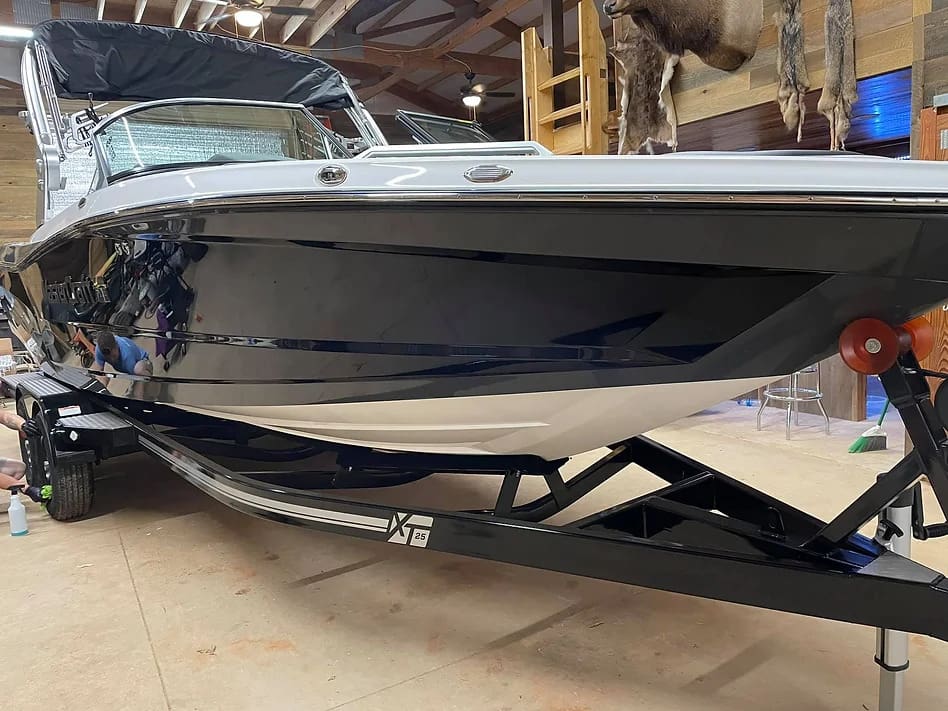
Ceramic coatings used to be treated as show-boat territory. Used correctly on a fishing platform, they behave like a time-saver. They do not make a neglected boat bulletproof, and they do not stop fend-off scuffs or gaff marks, but they do tighten the surface so salt and blood let go with a gentle wash.
Think in terms of hydrophobics and chemical resistance. A properly prepped and applied boat ceramic coating sheds water aggressively for 12 to 24 months on gelcoat depending on exposure and maintenance. On topsides that see sun all day, expect the low end of that range, especially if the boat lives uncovered. On vertical hull sides that see less UV and less traffic, coatings last longer. The real gain is the way coatings resist protein bonding. Blood that would stain a traditional waxed nonskid can often be rinsed off or lifted with mild soap on a coated deck.
Application is a process. Wash, decontaminate, correct the surface, solvent-wipe, then apply the coating in controlled sections. Temperature, humidity, and flash time dictate how workable the product feels, so chasing shade and timing your sections matters. Most pros avoid coating nonskid for safety and instead use a dedicated, high-grip sealant that adds repellency without creating slip.
Interior detailing on fishing boats: it is not all vinyl and carpet
Most fishing boats carry simple interiors, yet they still trap grime. Cuddy cabins absorb dampness and odor from bait. Console compartments collect sunscreen overspray and salt, then that film migrates to switchgear and makes buttons stick.
Vinyl seating does best with a pH-neutral cleaner and soft-bristle brush. Rinse thoroughly, then dry to prevent stitching rot. Avoid solvent-based cleaners that leave vinyl looking new but brittle a season later. For EVA foam decks, stick with the manufacturer’s recommendations. Strong degreasers can knock down the texture and accelerate wear.
Electronics deserve a separate pass. Salt haze on a screen is abrasive. Use a microfiber towel and a screen-safe cleaner or distilled water, not window spray. The microfiber should be clean enough that you would use it on your own glasses. Wipe gaskets on hatches with a damp cloth and a drop of mild soap. Grit in a gasket undermines the seal, and then your dry storage is not so dry.
Livewells and fish boxes need attention beyond smell control. The scum line around a livewell lid tells you about water quality and surfactant buildup. Bleach has its place, but too much, too often, is hard on seals and pump internals. I prefer an enzymatic cleaner followed by a thorough fresh water purge. If you flush the well with raw water while you idle home, follow with fresh at the dock.
Fuel dock shortcuts that cost you later
I get it. The tide is turning, the truck is waiting, and you want to be on the road. The quickest path to long-term problems is leaving the boat to air-dry with salt on it. The next is letting fish residue sit in crevices. If time is tight, do the bare minimum that makes the biggest difference.
A realistic five-minute triage looks like this:
- Flood rinse all horizontal surfaces and the helm, including any exposed wiring or breakers. Hose out the fish box and livewell completely, lids open for air-drying. Spray down the trailer’s brakes and hubs with fresh water before you leave the ramp. Wipe the main touch points: helm seat, wheel, throttles, and MFD glass. Pull all trash and bait packaging so odor does not bake in.
You can finish the cosmetic work at home, but these steps protect the pieces that are most expensive to replace.
How Hugo's Auto Detailing organizes a post-trip cleanup
Teams that detail both cars and boats learn time management by necessity. On weekends when runs stack back-to-back, I have watched the clock while deciding what to clean in what order. When we assemble a two-person crew from Hugo's Auto Detailing for a fishing boat recovery, we divide tasks to prevent bottlenecks. One person floods the boat and tackles upper structures, the other strips gear and starts on the deck. We use a rinse, then soap, then spot-treat progression with tools laid out near the transom so we are not walking circles.
There is a rhythm to it. During the flood rinse, the second tech cracks open all storage so seams get rinsed early. They pull the cooler, dump meltwater and bait bags, and tilt the cooler to drain while the deck gets its first pass. When the first person finishes the helm and hard top, they move down the hull sides, drying from the rub rail to the chine as needed to cut water spots. While that happens, the second person treats stains before they set. If a trip was especially messy, we pre-mix oxygenated cleaner in a pump sprayer, hit the heaviest zones first, give it a short dwell, agitate, then rinse. By the time the hull is ready for a light spray sealant or a ceramic detailer, the deck is clean and drying.
The critical piece is not speed for its own sake. It is sequencing tasks so detergents do not dry, and so surfaces that attract dust stay wet until you can deal with them. It feels like choreography when it works, and the boat benefits from that order of operations far more than from brute scrubbing.
Exterior detailing details most owners miss
Look at scuppers and drains. If fish scales wedged in the grate, remove the grate and flush from both directions. A scale that lodges at a bend becomes a stink source and slows drainage just enough to leave water lines. Check the anchor locker. Mud from a bottom hold breeds smells you will swear are coming from the bilge. Spray from the bottom up, not just from above, so you push debris out.
Inspect the caulk lines at the base of the windshield and hard top supports. Any yellowing or cracking is a sign the sealant is aging. Dirt in failing sealant makes it look worse and accelerates UV damage. Cleaning buys you time, but plan for reseal work in the off-season.
Trailered boats carry salt further than people realize. Brake calipers and springs need a freshwater rinse immediately. If you have electric-over-hydraulic brakes, pay attention to the electrical connectors and pump housing, then dry those areas or hit them with low-pressure air. I have seen trailers lose half their braking power in a season because owners rinsed the boat and ignored the undercarriage.
When paint correction belongs on a fishing boat’s calendar
Not every hull needs machine correction. If your gelcoat still beads water and glows under a thin film of wax, you are fine. If it looks matte even after a good wash, or if you see holograms from previous bad polishing, correction will change the game. The goal is to remove a controlled layer of oxidation, then refine to a gloss that can accept a protective layer. On white boats, the difference is easier to see by touch. Run your hand along the hull. Chalky gelcoat feels dry and almost squeaky. Corrected gelcoat feels slick even before protection.
For center consoles that run two to three times per week through summer, a practical schedule is a seasonal correction in spring, a mid-season light polish on the most exposed surfaces, and ceramic or sealant maintenance as needed. Schedules shrink in harsher sun zones and grow in milder climates. The main point is to reset the surface before it gets deeply oxidized. Heavy correction every few years removes more material than light maintenance annually.
Hugo's Auto Detailing on balancing boat and car schedules
There is a funny overlap in habits between a boat that gets cared for and a car that gets neglected, or vice versa. Busy owners often give all their energy to one and not the other. The teams at Hugo's Auto Detailing have built routes that handle both because the skill sets align. Exterior detailing on a black SUV teaches patience for streak-free drying that transfers to hull sides. Paint correction techniques on cars translate to gelcoat with adjustments to pad and product. Even our interior detailing discipline, the way we handle leather or Alcantara without over-wetting, informs how we clean marine vinyl and foam floors that can trap water.
In coastal communities, that crossover becomes practical. If you fish out of Carpinteria or Goleta and park your truck and trailer near the ramp, your brake dust bakes in salt air while you are on the water. Cleaning both vehicles in one swing keeps the salt off the equipment you rely on to tow as well as the boat you take offshore.
Tackling odor and bacteria the right way
Fish smell is more chemistry than mystery. It lives in porous spots and thrives where fresh water is limited. Bleach removes color and some odor but does not penetrate deep into foam or raw fiberglass. Enzymatic cleaners target organic residues and continue to work after you rinse. I like them for fish boxes and deck mats. Let them dwell for a few minutes, agitate, and rinse thoroughly.
Do not forget the bilge. If you see a faint sheen when you run the pump, you have residual oils. Use a bilge cleaner designed to emulsify and lift hydrocarbons. A clean bilge smells like nothing, which is exactly the goal. Cutting corners here leaves a ghost odor that ruins otherwise good detailing work.
Ventilation finishes the job. Prop open lockers and the cabin hatch. If you store the boat in a garage or under a cover, add a small fan for an hour to move air. Moist, trapped air is the beginning of mildew, and mildew is harder to reverse than it is to prevent.

Maintenance intervals that work for real use
Deterministic schedules help busy owners. Here is a simple framework that balances effort with reward.
- After every trip: freshwater flood rinse, light soap wash, spot-treat stains, dry key surfaces, blow water from seams. Weekly in heavy use: wipe and protect vinyl, clean screens, inspect and treat brightwork with a light corrosion inhibitor. Monthly: reapply spray sealant or a maintenance topper on coated surfaces, deep-clean livewells and fish boxes with enzymatic cleaner, flush and inspect trailer brakes and lights. Seasonal: machine polish and, if needed, paint correction on high-exposure areas, renew or top up boat ceramic coating, inspect caulk and seals, service bilge and washdown pumps.
These intervals flex with conditions. A week of hot offshore runs calls for more frequent attention to deck and nonskid. A month of light bay fishing with minimal blood might extend intervals.
Local waters, local grit: notes from the Santa Barbara Channel
Fishing boats in the Santa Barbara Channel and along the Central Coast deal with a specific mix of challenges. Kelp and eelgrass tangle trailers and stick to water intakes. Fine coastal dust rides afternoon winds and bonds to sunscreen on gelcoat. Run offshore for halibut or white seabass, and the boat comes back with a cocktail of salt, bait, and diesel film from fuel docks.
In towns like Carpinteria, Montecito, Goleta, Hope Ranch, and Summerland, you also have microclimates. Morning marine layer leaves boats wet, then mid-day sun bakes the residue. Owners in these areas see faster salt crystal growth on exposed surfaces. It drives home why a quick-dry step or a ceramic topper pays off. I have seen hull sides stay spot-free through a whole weekend of fog and sun simply because someone took three minutes to sheet water off with a drying towel before parking.
When to hand it to a pro, and how to work with one
DIY care stretches far, and it should. The best way to protect your boat is to know every seam and fitting, to see problems before they grow. Bring in a professional when the job requires controlled correction, coating, or deep decontamination you do not have the tools to handle. If oxidation has gone past what a hand polish can solve, or if you are dealing with persistent staining in nonskid, expertise saves material and time.
A good boat detailing service should ask about your use pattern: how often you fish, where you store, whether you rinse every trip. That information shapes product choices. A hull that sits on a mooring takes a different approach than one stored indoors on a trailer. Pros should also respect the reality of working boats. Coating the wrong surfaces or laying glossy dressings on high-traffic areas is a hazard. Clear communication prevents that.
Products and tools that earn their keep
You do not need a chemical lab on the dock. A compact, well-chosen kit does more. I try to limit the active products on the boat to a neutral shampoo, an oxygenated stain cleaner, an enzymatic cleaner for organics, a screen-safe cleaner, and a marine spray sealant or ceramic maintenance product. Add a corrosion inhibitor for metals. For tools, carry a soft/medium brush, a small firm brush for edges, clean microfibers, a squeegee or drying towel, and a cordless blower. Everything else is situational.
If you run a coated boat, stick to coating-friendly soaps and toppers. Some heavy degreasers knock down hydrophobic performance prematurely. Test on a small area if you are not sure. Label your bottles and keep dilution ratios consistent. Over-concentrated cleaners do not clean better, they just leave residue and strip protection.
Common mistakes that create extra work
The pattern after long days is predictable. People use pressure washers too close to decals and sealant seams. They spray dressings on vinyl that get slick underfoot. They think bleach is a cure-all, then watch stitching and seals fail. They wash in direct sun without sectioning the work, so soap dries and leaves film. They forget to flush the raw water washdown, then complain about odor a week later.
One quiet mistake is laying rods and gaffs on the deck while you clean. They trap dirty water beneath, then you set them in holders and streak the clean gunnels later. Stack gear on a clean towel on the dock, or leave it in place until the final rinse is done.
Why consistency beats hero scrubs
The best-detailed fishing boats rarely look like they have been detailed. They look like they are easy to keep. That is the difference a consistent routine makes. Surfaces release contaminants, hardware stays tight and bright, and the owner spends less time fighting stubborn stains. When you see a five-year-old hull that still reflects clean lines and beads water, you are looking at habits, not magic products.
Owners who already work with teams like Hugo's Auto Detailing notice the change in their own rhythms. They rinse earlier. They carry fewer chemicals but use them better. They spot-check the same places we check, not because we told them to, but because the feedback loop has taught them where grime hides. That is the quiet success of good marine detailing: a boat that asks less, gives more, and tells the story of the day without holding onto its mess.
Where cars and boats meet at the hose
There is a final bit of pragmatism worth noting for anyone who tows. A car detailing service that understands salt will treat your tow rig differently after a long weekend on the water. Brake calipers, hitch receivers, wiring connectors, and tailgate jambs collect salt spray. A quick rinse when you get home followed by a proper wash within a day or two prevents orange blooms on rotors and tea stains on chrome. The same eye that catches salt creep around a boat’s rod holder will see it at the base of a tail light.
In coastal towns where you shuttle between ramp and driveway, combining boat and vehicle care saves more than time. It keeps both halves of your fishing day reliable. Whether you prefer to handle the work yourself or you rely on a boat detailing service for the heavy lifts and a car detailer to keep the rig sharp, the principles do not change: flood first, clean smart, protect what wears, and do it again before the next dawn patrol.
A note on local service and realistic expectations
Some owners in Carpinteria, Montecito, Goleta, Hope Ranch, and Summerland look for single-visit transformations. It is possible to make a boat sparkle in one session, and sometimes a comprehensive exterior detailing with selective paint correction and a fresh coating is exactly what is needed to reset the clock. The more sustainable approach blends that one-time reset with lighter, frequent care. If a coated hull still collects light salt haze, that is normal. It should release with a gentle rinse and soft towel. If you see water stop beading after a dusty wind event, a maintenance topper usually restores performance. Expectations grounded in real use keep frustration low and results high.
The job never truly ends. Boats go back to sea and pick up new marks. Gear bumps rails, kids drop soft plastics that leave oil spots, and a good albacore day makes a deck look like a crime scene. That is the life of a fishing boat. The skill is not in hiding it, but in erasing what does not belong, protecting what matters, and keeping the boat ready to tell a fresh story next time you head out.